

Professional Damp Proofing Services in London

Damp is one of the most damaging and stressful problems a property owner can face. Left untreated, it causes structural deterioration, affects air quality, and leads to significantly higher repair costs over time. Kenwood PLC is a damp specialist with decades of experience delivering reliable damp proofing solutions to homeowners and property professionals across London and the surrounding areas.

Whether you are dealing with rising damp, penetrating damp, or condensation damp, our team will identify the source, recommend the right treatment, and carry out the work to the highest standard,  right first time.

What Is Damp Proofing and Do You Need It?

Damp proofing is the process of treating walls and masonry to prevent moisture from penetrating or rising through the building structure. It is a necessary protection for any property where the original damp proof course has failed, was poorly installed, or was omitted entirely during earlier construction or renovation.

You may need damp proofing treatment if you notice any of the following early signs:

  • Tide marks or staining at the base of internal walls
  • Peeling wallpaper or bubbling paint
  • A persistent musty smell in ground-floor rooms
  • White, powdery deposits (hygroscopic salts) on wall surfaces
  • Visible damp patches that worsen in wet weather
  • Cold or wet walls to the touch

If you are unsure, a professional damp survey will identify the type and extent of the problem before any treatment begins.

Understanding Rising Damp: Causes and Signs

Rising damp occurs when moisture from the ground travels upward through the masonry of a wall. This typically happens when a property lacks an effective damp proof course, or where an existing one has degraded or been bridged.

In less severe cases, rising damp may only be detected during a professional building survey or through targeted tests carried out at the base of affected walls. In more advanced cases, where damp has been left untreated for a prolonged period, visible damp patches will appear, often accompanied by hygroscopic salt deposits on the wall surface.

Rising damp is distinct from penetrating damp, which enters through cracks, gaps, or defective pointing in the external envelope of a building. Both require different treatment approaches.

[Learn more about penetrating damp →]

How to Fix Rising Damp: The Kenwood Treatment Process

Effective damp treatment requires more than a surface-level fix. Our damp proofing process addresses the root cause and ensures long-term protection for your property.

Step 1: Install a new damp-proof course

We begin by drilling the masonry at the base of the affected walls in a defined pattern. A specially formulated Kenwood siliconate injection fluid or Kenwood DPC cream is then injected until the full depth of the masonry is completely impregnated. This process is low odour and causes minimal disruption to the property.

Step 2: Create an impervious barrier

Once cured within the masonry, the injected solution forms a continuous, impervious barrier that prevents moisture from rising from the ground into the treated walls. Where walls adjoin or abut one another, a vertical damp proof course is installed as part of the same treatment to ensure full isolation.

Step 3: Remove and replace the plaster

Kenwood’s Waterproof Rendering System

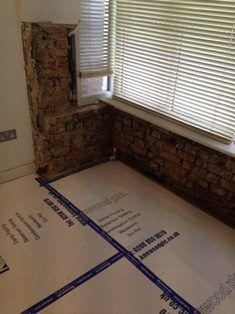
Because ground salts remain within the existing plaster even after moisture is blocked, the old plaster must be removed to approximately one metre in height — or higher, depending on salt levels within the masonry. Leaving contaminated plaster in place will cause ongoing issues regardless of the damp-proof course installation.

Step 4: Apply a salt-retardant render

We replace the removed plaster with Kenwood’s Premix Waterproof Rendering System, a specialist salt-retardant render that prevents salt migration to the new surface. Unlike site-mixed alternatives, Kenwood’s system is factory-batched under computer-controlled conditions, ensuring precise proportions of sand, cement, lime and waterproofers every time. This eliminates the inconsistency of on-site mixing and guarantees a reliable result.

Damp Proofing Walls; installed by Kenwood PLCStep 5: Finish with a skim coat of plaster.

A smooth top-coat skim plaster is applied over the waterproof render, leaving a clean, paintable finish ready for decoration.


Damp Proofing Solutions for High Ground Level Properties

Where external ground levels are raised above the internal floor level, chemical damp proofing alone may not be sufficient. In these cases, Kenwood’s SWS Tanking System may be required alongside the damp proof course installation to provide full structural waterproofing and protect the property from hydrostatic pressure. [Find out more about our structural waterproofing and tanking services →]

What About Condensation Damp?

Condensation is the most common form of damp in UK properties and is often misdiagnosed as rising damp. It occurs when warm, moist air meets a cold surface and deposits water — typically on windows, external walls, and in poorly ventilated areas such as bathrooms and kitchens.

Condensation damp requires a different approach to treatment, focusing on ventilation, insulation, and surface coatings rather than injection or rendering. Learn more about our condensation damp treatment.

If you are unsure which type of damp you are dealing with, our damp specialists will carry out a thorough survey and give you an honest diagnosis before recommending any work.

Why Choose Kenwood as Your Damp Specialist?

  • Decades of specialist experience treating damp in London properties
  • Proprietary products: Kenwood siliconate fluid, DPC cream, and Premix Waterproof Rendering System, formulated and quality-controlled in-house
  • Right first-time approach with a thorough diagnosis before any treatment begins
  • Minimal disruption with low-odour injection process and clean, professional finish
  • Trusted by homeowners and property professionals, we work directly with homeowners or alongside your builder as part of a wider refurbishment
  • Comprehensive aftercare on all damp proofing treatments is backed by a guarantee.
  • As full members of the PCA (Property Care Association), all Kenwood works are carried out to the highest industry standards.

Frequently Asked Questions About Damp Proofing

What is damp proofing?

Damp proofing is the treatment of walls and masonry to prevent moisture from entering or rising through the structure of a building. It typically involves installing a chemical damp-proof course and, where necessary, replacing contaminated plaster with a specialist salt-retardant render.

How do I know if I need damp proofing?

Common signs include tide marks on walls, peeling wallpaper, salt deposits on plaster, a persistent damp smell, or damp patches that don’t dry out. A professional survey will confirm the type and extent of damp present.

How long does damp proofing last?

When carried out correctly using quality materials, a chemical damp-proof course should provide long-term protection. Kenwood’s treatments are backed by a guarantee for your peace of mind.

Can I fix damp walls myself?

Surface treatments and DIY damp-proof paints may temporarily mask the problem, but will not address the underlying cause. Professional damp treatment is highly recommended to prevent the issue from worsening and incurring greater costs further down the line. You can view our instant damp proofing prices online.

Do you offer damp proofing surveys in London?

Yes. Kenwood’s damp specialists operate across London and the surrounding areas.

[Book a damp survey with Kenwood →]

Speak to a Damp Specialist Today

Whether you have identified a damp problem or simply want peace of mind, Kenwood’s team of damp specialists are ready to help. We work with homeowners, landlords, and property professionals across London and can collaborate directly with your builder as part of a wider refurbishment project.

Contact our damp specialists today to arrange a survey.

    Call me back

    Your Name *

    Phone number

    We take your data seriously and do not sell data to third parties. We will only contact you in regard to our services in accordance with our privacy policy.

    This site is protected by reCAPTCHA and the Google Privacy Policy and Terms of Service apply.

    Why choose Kenwood

    1

    Experienced 20,000

    Properties attended each year.

    2

    Established 30 Years

    We have been in business

    3

    Expert Skilled

    Technicians and Surveyors

    4

    Guarantees 20 Years

    Damp proofing guarantees

    Our customers rate us

    Trust Kenwood Plc

    We are Full members of the BWPDA (British Wood Preserving & Damp Proofing Association), PCA (Property Care Association), CHAS and the Guarantee Protection Trust.

    Request Callback chevron_right


    Susie Sinden

    Susie Sinden

    Marketing Executive | Leading Damp Proofing & Timber Treatment contractors.

    Susie Sinden is a skilled Marketing Executive who provides strategic marketing services to KENWOOD PLC. With a strong focus on brand development, campaign management, and customer engagement, Susie plays a key role in driving the company’s marketing initiatives and supporting its growth in competitive markets. Her expertise ensures that KENWOOD PLC consistently communicates its value to the right audiences with impact and clarity.


    Chloe Kinch

    Jake Clarke

    CEO at Kenwood Property | Leading Damp Proofing & Timber Treatment contractors.

    Jake, the new CEO of Kenwood, has several years of experience in property maintenance, previously working with a large service provider in the social housing sector, where he was responsible for Group support services across three subsidiaries." Kenwood is entering a new phase in its capacity as property preservation experts, expanding our area to help ensure that more properties in the UK remain dry, safe and comfortable for years to come. "We are committed to maintaining the highest level of customer experience and ensuring that we preserve properties not just for the short term, but for the long term.