

Dry and Wet Rot Solutions for Your Property

Fungal decay of timber is one of the most serious and preventable threats to a property. As a property preservation specialist, Kenwood provides expert dry and wet rot solutions to identify the root cause, treat it effectively, and protect your home from long-term structural damage. Whether you have already spotted signs of rot or simply want peace of mind, early action is always the right course.

What Causes Timber Rot?

Timber rot occurs when wood is in prolonged contact with damp conditions, particularly in poorly ventilated areas such as subfloors. Dampness from plumbing leaks, defective gutters, rising damp, or high ground levels can all create the conditions for decay to establish, allowing wood-rotting fungi to develop and flourish. Left unchecked, this can cause serious structural problems for a property.

What Is Wet Rot?

Wet rot is a term used to describe a range of fungal species that cause timber decay. It needs a high moisture content to grow and mainly affects timber in the dampest areas of a property. There are many kinds of wet rot fungi, and the condition tends to remain localised, meaning it can often be resolved more quickly and at a lower cost when identified early. Left untreated, however, it can cause major structural issues, so it is important to always get it assessed as soon as possible.

Common signs of wet rot include:

  • Timber that feels soft, spongy, or gives way under pressure
  • Discolouration or darkening of affected timber
  • A persistent damp or musty smell in the affected area
  • Paint or surface finish cracking or peeling from timber

Wet Rot Treatment: How Kenwood Resolves It

Kenwood will identify and eliminate the source of moisture first, without removing the cause; any repair will only ever be temporary. Once the source has been addressed, affected timbers are removed and replaced, and the area is fully restored. Treating wet rot does not typically require chemical intervention, which is one of the reasons it is generally less costly to resolve than dry rot.

What Is Dry Rot?

Dry rot is caused by a single fungal species, Serpula lacrymans, and is considered the more serious of the two conditions. What makes it particularly damaging is its ability to spread well beyond the original moisture source. Its white strands can penetrate brickwork and mortar joints, transporting moisture into dry, poorly ventilated areas and allowing the fungus to continue spreading through the structure of a property.

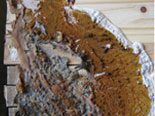
Dry rot (Serpula lacrymans)

The mycelium appears as silky white sheets, often with yellow or lilac edges. Fruiting bodies appear as fleshy, pancake-like growths laden with spores, often creating a red dust around the affected area. Because dry rot can spread through walls into areas that appear otherwise unaffected, it should always be assessed by a dry rot specialist as soon as it is suspected.
Common signs of dry rot include:

  • White silky strands or sheet mycelium, often with yellow or lilac edges
  • Fleshy, pancake-like fruiting bodies on affected surfaces
  • Red dust or spore deposits around the affected area
  • Timber that appears cracked, brittle, and structurally weakened

Dry Rot Treatment: The Kenwood Approach

Irrigation

Effective dry rot treatment requires addressing several key factors in the right order. The first step is always to remove the source of moisture and establish a dry environment; without this, permanent eradication is not possible. Kenwood will then remove and dispose of all defective timbers and apply chemical treatment to adjacent areas to eradicate any remaining fungal growth.

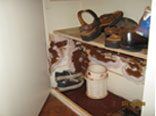
Wet rotFollowing treatment, new timbers are introduced with physical barriers to ensure isolation from masonry, and adequate ventilation is provided to floor voids. Where floor voids cannot be adequately ventilated, replacement in concrete may be required.


Treating Dry Rot in Masonry

Where dry rot has spread into masonry, additional treatment is required. Kenwood uses an irrigation process, drilling into the affected masonry and injecting a fungicidal preservative under pressure. Kenwood’s fungicidal biocide is then applied to sterilise the masonry surfaces and the oversite, ensuring the fungus is fully eradicated from the structure.

Concerned about timber rot in your property? The sooner it is identified and treated, the less damage it causes, and the less it costs to put right.

Book a specialist survey today.

How Much Does Wet and Dry Rot Treatment Cost?

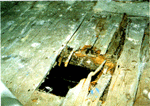
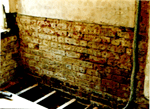
Removal of flooring for treatment

The cost of timber rot treatment depends on the type of rot present, its extent, and the work required to fully resolve it. As a general rule, wet rot is usually less expensive to treat than dry rot, since it is typically more contained and generally does not require chemical intervention.

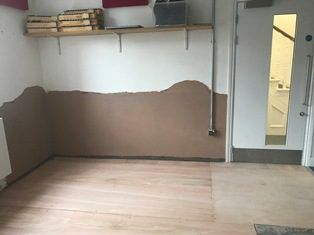
Removal of wall plastering for treatmentKenwood’s range of wood rot repair and timber rot treatment services may include specialist eradication works, partial or complete floor replacements, and re-plastering where requient services may include specialist eradication works, partial or complete floor replacements, and re-plastering where requient services may include specialist eradication works, partial or complete floor replacements, and re-plastering where required. An accurate cost can only be provided following a thorough on-site survey and assessment.

Why Choose Kenwood for Dry and Wet Rot Solutions?

Kenwood is a property preservation specialist with the expertise to accurately diagnose and treat both wet and dry rot. We focus on identifying the root cause, not just the visible symptoms, and deliver lasting solutions that protect the long-term structural integrity of your property.

Our dry and wet rot solutions cover everything from initial specialist survey through to complete timber replacement and structural restoration, giving you confidence that the problem has been properly and permanently resolved.

Frequently Asked Questions

What is the difference between wet rot and dry rot?

Wet rot is caused by a range of fungal species and requires high moisture to grow. It tends to stay localised and is generally less severe. Dry rot is caused by a single fungus, Serpula lacrymans, and is more serious because its strands can spread through masonry into dry areas of a property, well beyond the original moisture source.

Is wet rot cheaper to treat than dry rot?

In most cases, yes. Wet rot is more contained and does not usually require chemical treatment, making it simpler and less costly to resolve. Dry rot treatment is more complex and typically involves chemical treatment, irrigation of masonry, and more extensive timber replacement.

What causes timber rot in a property?

Timber rot is caused by prolonged exposure to damp conditions. Common causes include plumbing leaks, defective gutters, rising damp, and high ground levels, particularly in poorly ventilated areas such as subfloors.

What does dry rot look like?

Dry rot typically presents as white silky strands or sheet mycelium with yellow or lilac edges, fleshy pancake-like fruiting bodies, and a red dust from spore deposits around the affected area. Affected timber will appear cracked and brittle.

What happens if timber rot is left untreated?

Both wet and dry rot will cause serious structural damage if left untreated. Dry rot in particular can spread rapidly through a structure, affecting areas far beyond the original moisture source. Early identification and treatment are always recommended to limit damage and cost.

How do I book a survey with Kenwood?

You can book a specialist survey directly with Kenwood by contacting them here.

Protect Your Property, Book a Specialist Survey Today

Whether you are dealing with wet rot, dry rot, or are not yet sure which, Kenwood’s specialists are here to help. We will identify the problem, explain your options clearly, and provide a lasting solution that protects your property.

Book Your Next Day Survey Today


    Call me back

    Your Name *

    Phone number

    We take your data seriously and do not sell data to third parties. We will only contact you in regard to our services in accordance with our privacy policy.

    This site is protected by reCAPTCHA and the Google Privacy Policy and Terms of Service apply.

    Why choose Kenwood

    1

    Experienced 20,000

    Properties attended each year.

    2

    Established 30 Years

    We have been in business

    3

    Expert Skilled

    Technicians and Surveyors

    4

    Guarantees 20 Years

    Damp proofing guarantees

    Our customers rate us

    Trust Kenwood Plc

    We are Full members of the BWPDA (British Wood Preserving & Damp Proofing Association), PCA (Property Care Association), CHAS and the Guarantee Protection Trust.

    Request Callback chevron_right


    Susie Sinden

    Susie Sinden

    Marketing Executive | Leading Damp Proofing & Timber Treatment contractors.

    Susie Sinden is a skilled Marketing Executive who provides strategic marketing services to KENWOOD PLC. With a strong focus on brand development, campaign management, and customer engagement, Susie plays a key role in driving the company’s marketing initiatives and supporting its growth in competitive markets. Her expertise ensures that KENWOOD PLC consistently communicates its value to the right audiences with impact and clarity.


    Chloe Kinch

    Jake Clarke

    CEO at Kenwood Property | Leading Damp Proofing & Timber Treatment contractors.

    Jake, the new CEO of Kenwood, has several years of experience in property maintenance, previously working with a large service provider in the social housing sector, where he was responsible for Group support services across three subsidiaries." Kenwood is entering a new phase in its capacity as property preservation experts, expanding our area to help ensure that more properties in the UK remain dry, safe and comfortable for years to come. "We are committed to maintaining the highest level of customer experience and ensuring that we preserve properties not just for the short term, but for the long term.